What is Authority?
Authority in the world of SEO can be a pretty broad term that covers how trusted, credible, and influential a website or page is, both for Google and within its field.
Because it’s a term that’s difficult to clearly define, there’s not a single official metric that Google publishes to highlight how website authority is interpreted. Instead, it’s easier to think of your authority as a concept that captures the idea that some sites and pages carry more weight than others.
Authority is all around us. For instance, we’re far more likely to trust a medical article published on a respected health institution’s website than we are an annonymous blog, and Google’s systems have been designed to apply this logic in a more digital landscape.
How is Authority Calculated?
While it’s hard to fully understand how Google interprets authority, much of it comes down to links. This is because when more trusted and relevant sites are willing to link to you, they’re effectively vouching for you.
With backlinks coming in the form of accumulated endorsements, it’s clear how your authority can build itself up and become more measurable. It’s also why linking is vital to off-page SEO and why the quality of your backlink profile matters more than the volume of the links you build.
To summarise, authority that’s earned from a small collective of well-respected sources beats masses of links that have been accumulated from sites that nobody trusts.
Measuring Authority
Because Google doesn’t hand out its own authority scores, the industry has become accustomed to using third-party metrics to create an approximation.
There are many different ways to measure your website’s authority based on these tools, and the popular options include:
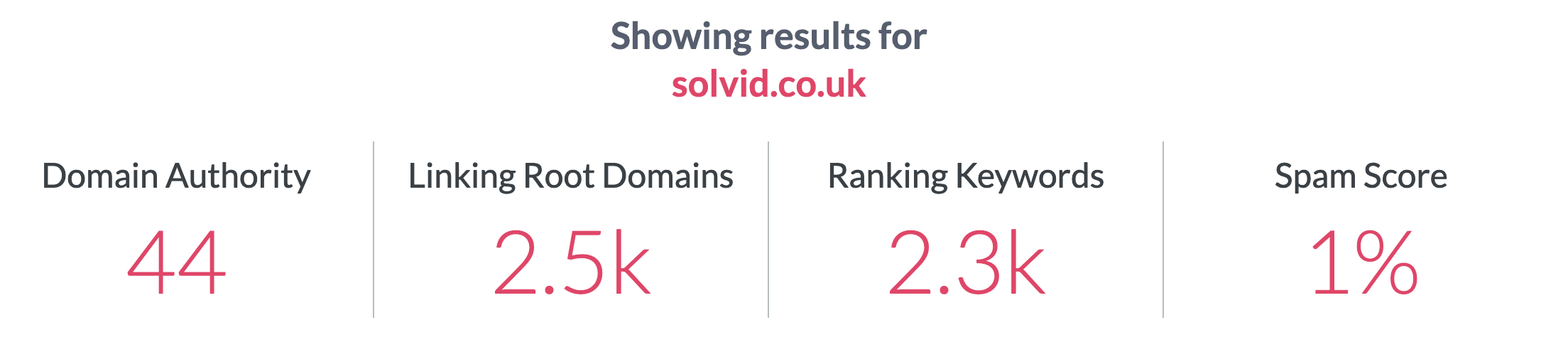
Moz Domain Authority and Page Authority
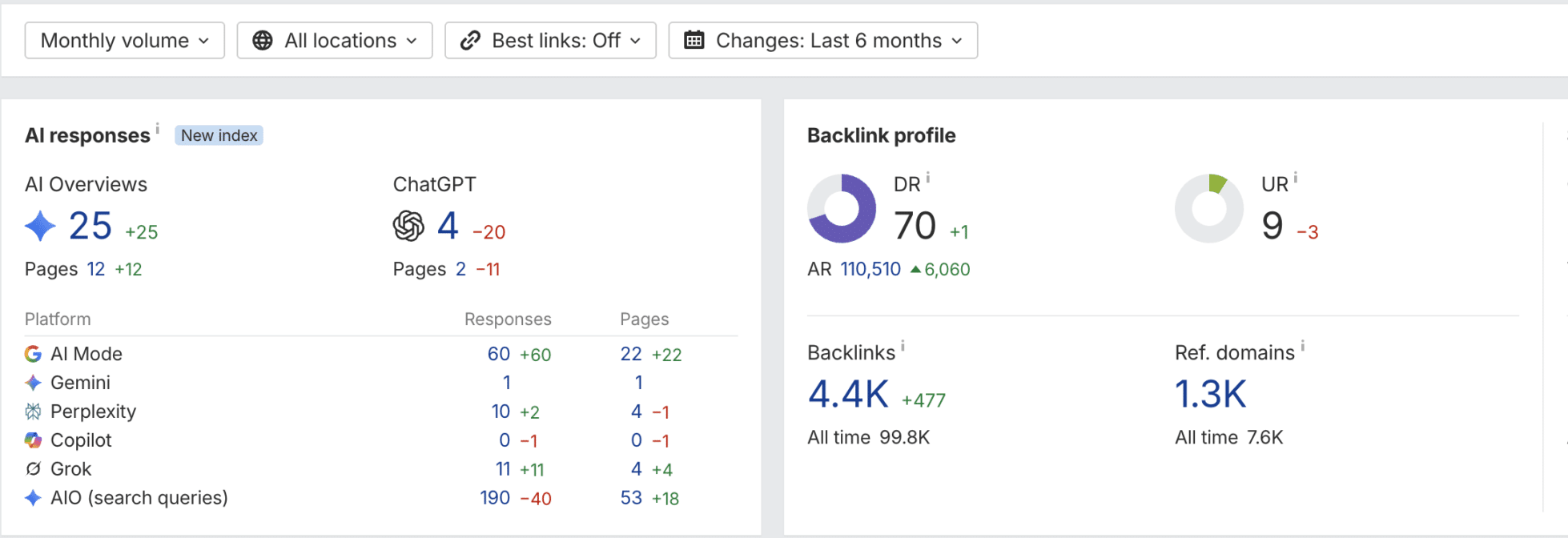
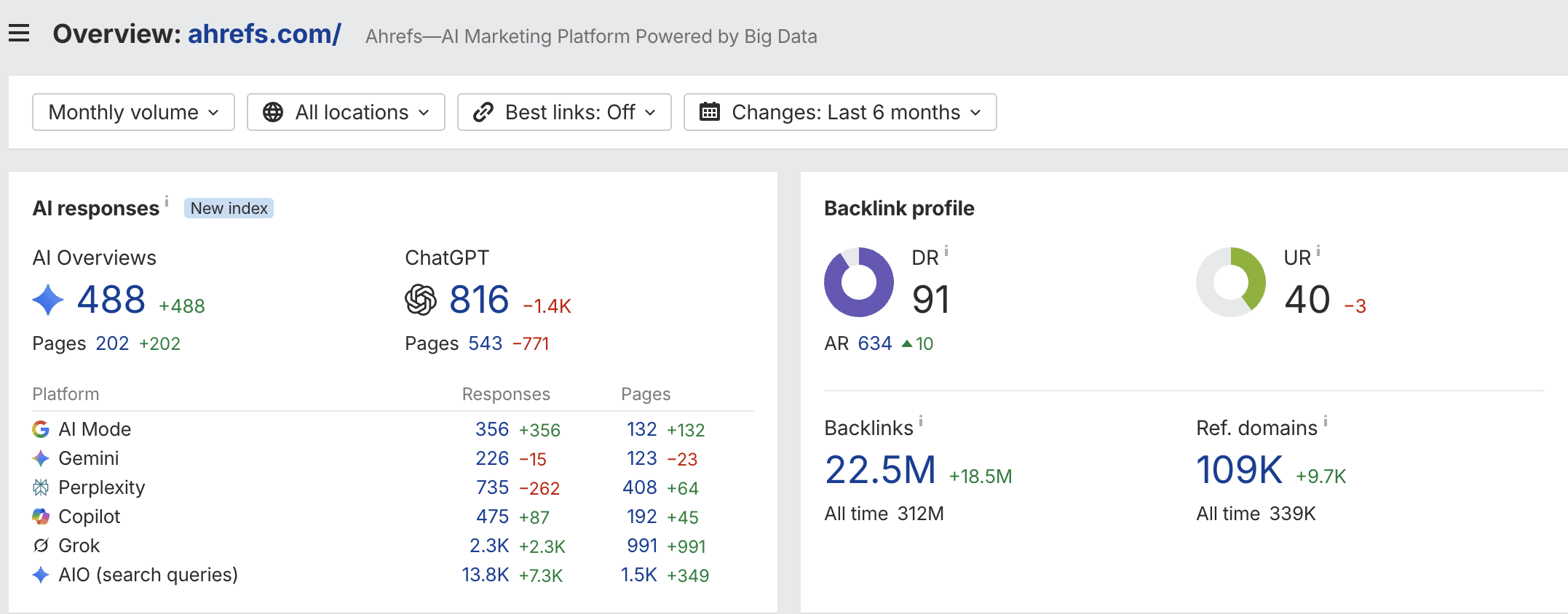
Ahrefs Domain Rating and URL Rating
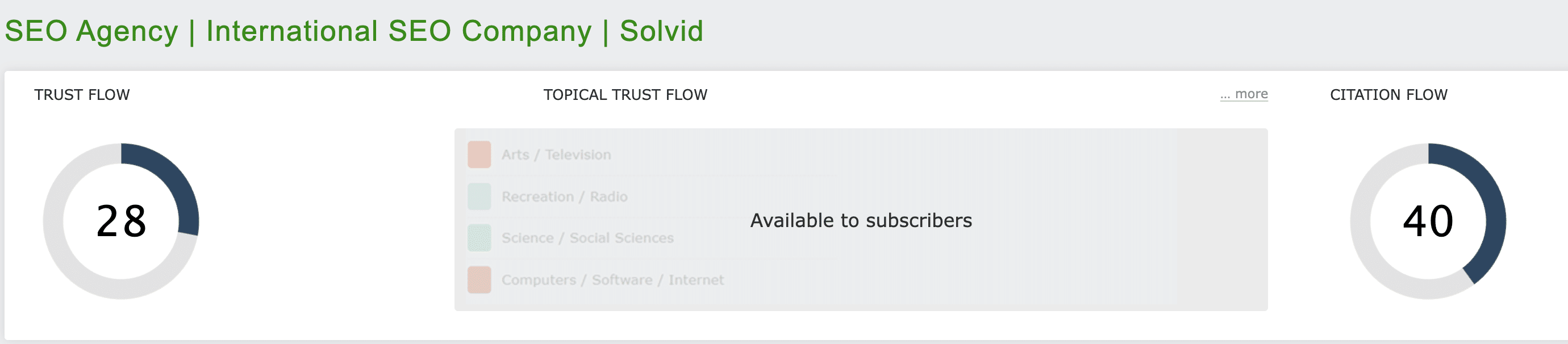
Majestic Trust Flow and Citation Flow
SEMRush Authority Score
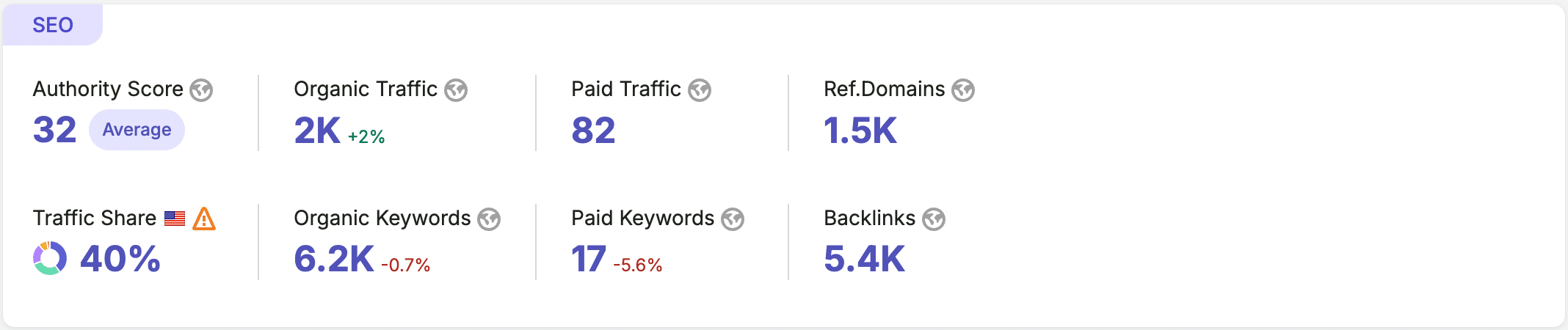
These options are all highly useful proxies, but you should keep in mind that they will only ever be estimates, rather than official Google measures. Despite this, achieving a high score on any of them should be taken as a positive signal, even if it doesn’t guarantee higher rankings.
Website and Page Authority
It’s also worth understanding the difference between website authority and page authority, because some marketers can fall into the trap of believing that they’re one and the same.
Pages on low-authority websites can still rank relatively well if that specific page possesses strong and relevant links and genuinely answers the query. Similarly, a weak page on an authoritative domain may benefit from the site’s overall stature but could struggle to find the relevance it needs to rank.
While both forms of authority matter, the best approach to SEO is to focus on site-level authority building as a priority while aiming to make individual pages worthy of higher rankings through quality content and building high-value backlinks.
Authority is earned slowly and lost quickly. While there are many different interpretations of how website authority is calculated, it can only be nurtured by consistently publishing trustworthy content, earning links that underline your relevance, and developing a real reputation in your industry.
There are no shortcuts to building your authority, and playing a quantity-over-quality game tends to be a waste of time and resources. Instead, focus on building your underlying reputation and your authority metrics will follow.
 194 customers signed up in the last 30 days




 hello@solvid.co.uk