If you’re planning to target local customers in 2026, building a powerful local link-building strategy is crucial.
With a worldwide web of competitors to contend with, local businesses can easily get lost in the noise, especially if you’re taking a spray-and-pray approach to SEO.
Local businesses thrive when they target geo-specific news outlets, community-driven forums, and local partners well known to their target audience.
When it comes to local link building, the same theory applies. This is why, in 2026, 75% of link-building experts value community sites, 70% prioritise local news, and 42% use local sponsorships to drive traffic.
With this in mind, we’ve put together the ultimate guide to local link building. Stick with us as we delve into the benefits of local link building for your SEO growth and reveal 15 actionable strategies to build a link profile that gets your business to the top of a local search.
What Is Local Link Building?
Local link building is the practice of building links from websites that are relevant to your niche location.
Whether this is a city, region or country your business targets, the goal here is to strengthen your search visibility for a location-specific audience.
The only difference between standard SEO link building and local link building is geography. Alongside building topical authority, local link placements also help Google understand where your business is relevant and who it should appear in front of in a search result.
Why is Link Building for Local SEO so Important?
Did you know that four in five consumers conduct searches with local intent? Whether this is searching for a service, restaurant or news/information, over half of all Google searches are location-specific.
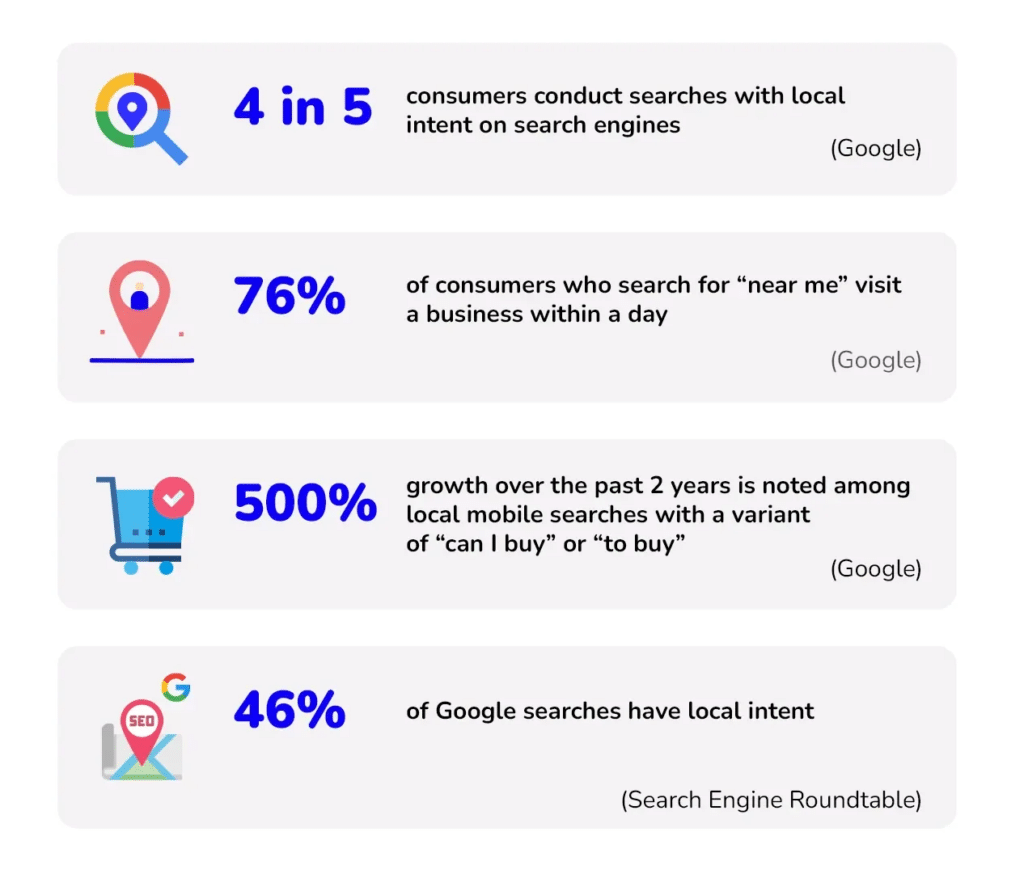
For businesses operating in a single area, targeting local consumers in online search is key to driving traffic and conversions.
This said, gaining visibility in a local search space doesn’t happen overnight. Search engines are consistently looking for signals that your business should appear in front of local searches.
In part, this comes from advertising accurate business data, creating clear local content, and building authority and trust within the local search demographic.
However, most SEO visibility is shaped by signals from other users and domains. Whether these are reviews, contextual backlinks, or brand mentions, links from authoritative local sources send trust signals to Google, which directly support your local rankings.
The more trust signals your website receives from popular local publications, forums, social platforms, and niche competitors, the more visible your brand is in traditional SERP results and generative AI Overviews.
Local Link Building in the Age of GEO
While local link building was once a volume-based game of acquiring as many trust signals as possible from high-authoirty domains, 2026 presents new challenges for local SEO.
In an era of generative search optimisation, context and search intent have become the number one priority for local link builders, especially if they want to appear in an AI overview or a ChatGPT response.
In 2026, a staggering 60%–65% of all Google searches are ‘zero-click’, meaning that users get answers directly from AI Overviews or generative snippets without clicking any websites.
While ranking highly in SERPs was once a top priority, today, your local businesses need to feature in a relevant AI summary to gain the visibility you’re hoping for.
How Does This Change the Way We Approach Local Link Building?
In 2026, it’s time to move away from a spray-and-pray link approach and towards contextual, relevant placements.
For example, a singular link from a local newspaper or a placement with topical and geographical relevance is more likely to improve your GEO visibility than scoring numerous low-quality links.
AI-powered search models like ChatGPT and Gemini trust community validation, meaning that links from other local businesses, regional publications, and even community-driven forums carry more weight.
In 2026, you might not even need to gain the hyperlink itself to build up your SEO profile. Generative search engines can associate brands without a clickable link placement.
Mentions and citations have become the name of the game. If you can only get a mention of your business’s name in a relevant article, local directory, forum or ‘best of’ list, you still increase your chances of being featured in an AI Overview.
Local Link Building in 2026: 15 Strategies to Get You Started
Mastering local SEO link building in 2026 requires a two-pronged approach.
While it’s still important to place links on high-quality domains to improve organic SERP visibility, AI’s impact on today’s search landscape now calls for local businesses to focus on new link-building strategies such as digital PR, mentions and citations, content collaborations and community sponsorships.
With this in mind, let’s take a look at how you can land link insertions in 2026 using 15 powerful local link-building strategies.
1. Start With Real-World Relationships
The best local links are rarely a product of cold outreach; they come from the relationships your businesses already have.
If you’re a local link-building beginner, earning links from your existing partnerships is the best place to start when building a backlinks profile from scratch.
These links come from your business connections offline. For example, if you share a high street with adjacent businesses that you regularly engage with, these connections can quickly translate into links.
Start by exploring your target’s website and search for any blog posts or pages that mention ‘partners’, ‘vendors’ or ‘recommendations’. This is your opportunity to pitch a link for insertion, especially if the placement benefits both you and your partner’s demographic.
For instance, if the business you have an established relationship with works within the wedding industry and you’re a florist, there is room here to create an organic recommendation for wedding florals.
2. Win “Who to Call” Pages
If the area you’re targeting is big enough, there will likely be pages on the web that exist to answer the question of ‘who to call’ for a particular service or problem.
These are usually neighbourhood associations, community forums, Facebook groups, and even local blogs that maintain lists of trusted providers.
If you’re operating a local plumbing service, for example, the key here is to make it easy for these types of pages to link out to your business.
When it comes to outreach, contact the blog editor with a short blurb, proof of licensing, and a few lines as to why you think your local business should be added to the list.
For community pages, forums, and groups, you can either directly add your link and business description to the page or target these groups organically by monitoring Q&A-style posts from locals hunting for a service or product you provide. This is your chance to keep mentioning your business in all the right places to encourage organic publication of your links across interconnected communities.
3. Pitch to Local “Best Of” Lists
The same theory applies to local ‘best of’ lists. These are often found in more established local publications such as local food blogs, news outlets and travel content.
Search the keywords first to find your target pages. For example, if you’re an Indian restaurant in Leicester, search the term ‘best Indian restaurant in Leicester’, to pull up these types of local listicles.
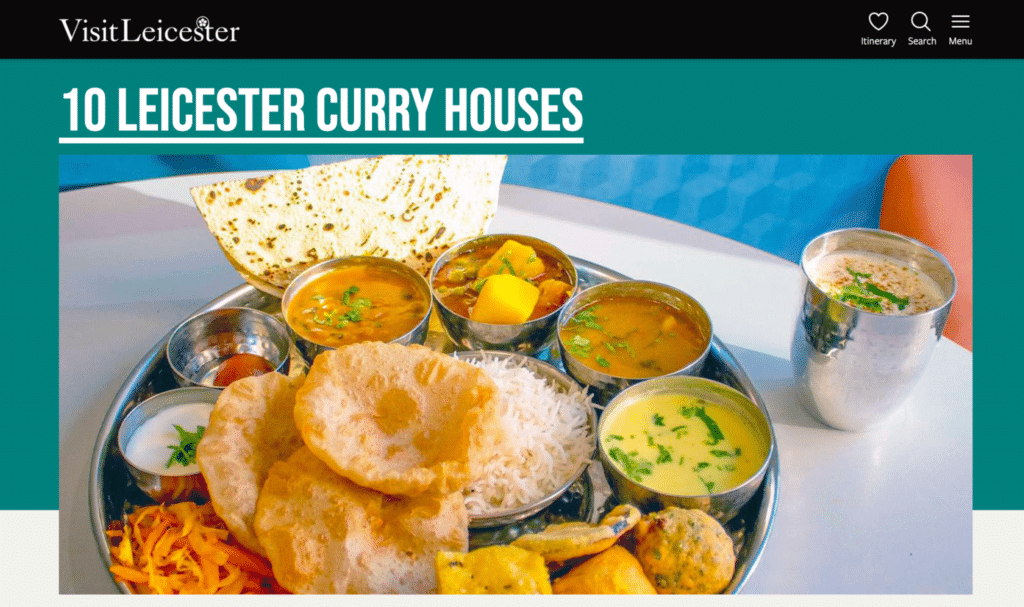
Before approaching the editor, build a simple, ready-to-outreach press kit that is equipped with your business description, photos and 2-3 sentences that describe what you’re known for locally.
The key here is to find an angle yet to be covered. For instance, if you were pitching your Indian restaurant to Visit Leicester, you could mention a speciality dish that your restaurant is praised for or a specific region of Indian food you cater for that other competitors don’t.
4. Set up Your Google Business Profile
A Google Business Profile is one of the most powerful local seo tools to leverage. Verified profiles not only generate up to four times more website visits, they boost your chances of being mentioned, cited and linked out to by local blogs and publications.
A Google Business Profile is essentially your digital storefront, featuring any key information such as your opening hours, address, photos and reviews from past customers.
For a local business, a powerful GBP is the key to appearing in ‘near me’ searches that appear ahead of traditional SERP results.
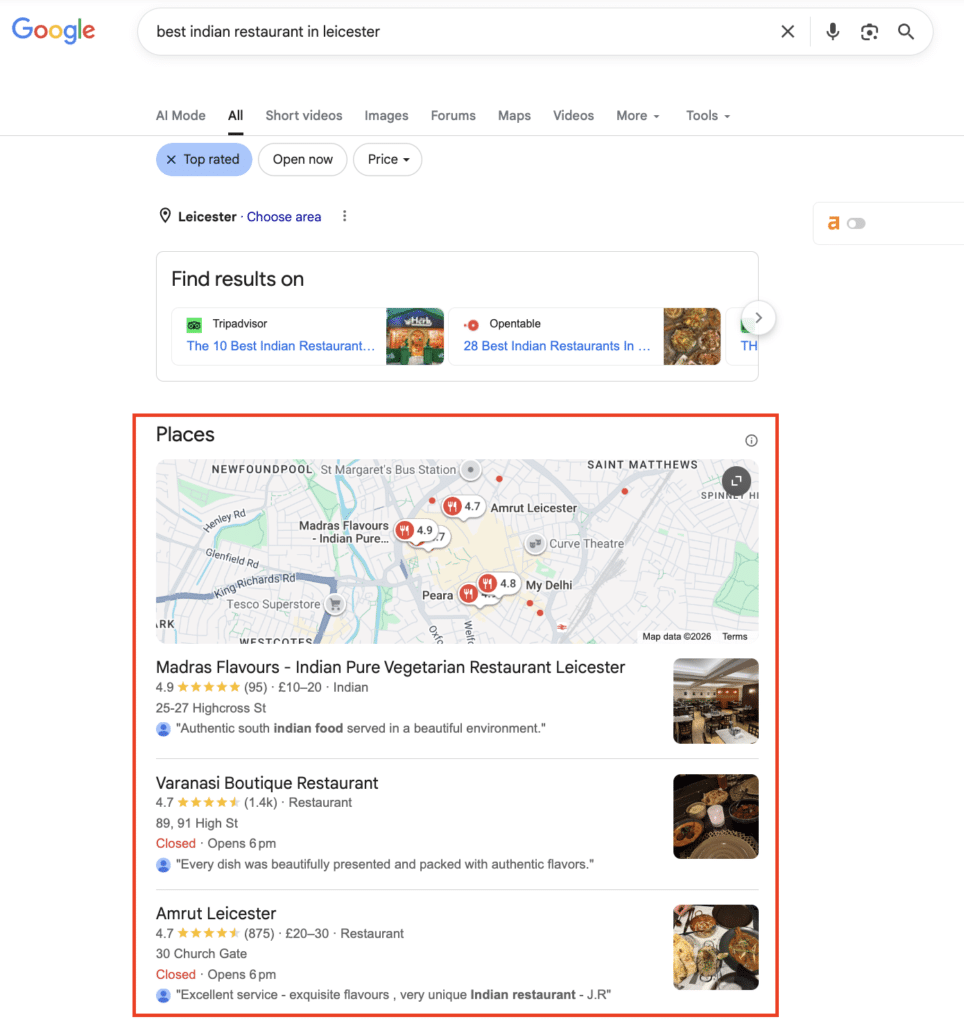
Building a Google Business Profile is easy. GBP is a free tool that you simply fill in with your business information.
However, for link-building purposes, it’s crucial that you complete as many optional categories as possible for the best visibility. Showcase your best images and videos that can be cited by local publications, and include as many additional links as possible to your website and social pages.
To maximise your results, aim to optimise your descriptions for SEO visibility. This includes adding keywords to your copy and considering search intent while describing your services.
5. Create Locally Useful Content
The best local link-building wins come from powerful domains that link out to your business without being asked.
If you are regularly publishing locally useful content that matches target search intent, don’t be surprised if local publications, bloggers, influencers and forums regularly reference and link out to your business as a helpful source.
In other words, this is known as creating a linkable asset. If you’re targeting a London-based demographic, try moving away from talking directly about your business and creating content that talks directly to a local audience.
This could be a practical guide to coffee spots in the city, a comparison relevant to your area or insights tied to city-based or regional trends that can be cited by local news outlets.
This type of content is valuable to your target consumer. This, therefore, makes it more likely to be picked up and organically linked out by other local domains.
6. Create Digital PR Campaigns With a Real Local Angle
Local media links are the backbone of your local link-building profile. These links are authoritative, locally relevant, and have real audience reach.
Whether you create a campaign in-house or outsource digital PR to a white-label agency, this is not only a brilliant way to gain links from local bloggers, influencers and community forums, but to gain coverage in your area’s top-performing local publications. A newsworthy angle seals the deal.
This angle could be a press release relating to a business launch, a new location, a local event, or even expert commentary from a CEO on a topical talking point in your area.
The key here is to create a digital PR campaign that is locally relevant enough to gain coverage in your target news outlet.
7. Build a Strong Local Presence on Social Media
A strong social media presence may not directly produce do-follow backlinks, but it is the key to increasing content visibility, driving local authority and raising your chances of being linked out to by target blogs, influencers and publications.
If you create high-quality, locally resonating content on platforms visited by your target demographic, you’re more likely to be shared across feeds and expand your reach beyond your existing followers.
As a result, you showcase that your business is an active player in the community, compelling local websites to start linking back to you.
An example of the power of social media for local link building comes from Dorchester-based showroom Bathroom Inspirations.
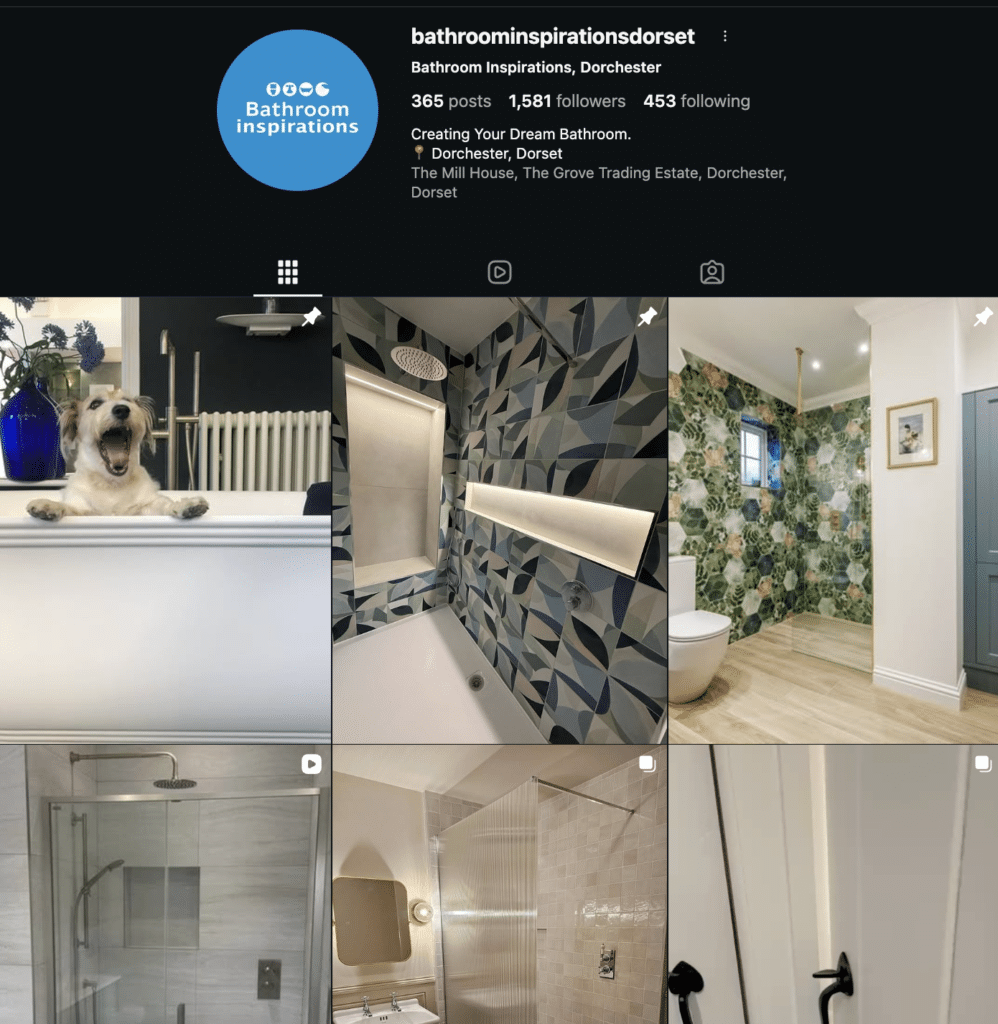
(Image Source: Instagram: @Bathroom Inspirations)
Focusing on a hyper-local social strategy that consisted of promoting local design advice, pictures of project transformations and customer testimonials across their platforms, they quickly built trusted digital relationships in the comments and across DMs.
This heightened regional prominence on socials caught the attention of local publishers,
directories and recommendation forums that naturally linked back to their website.
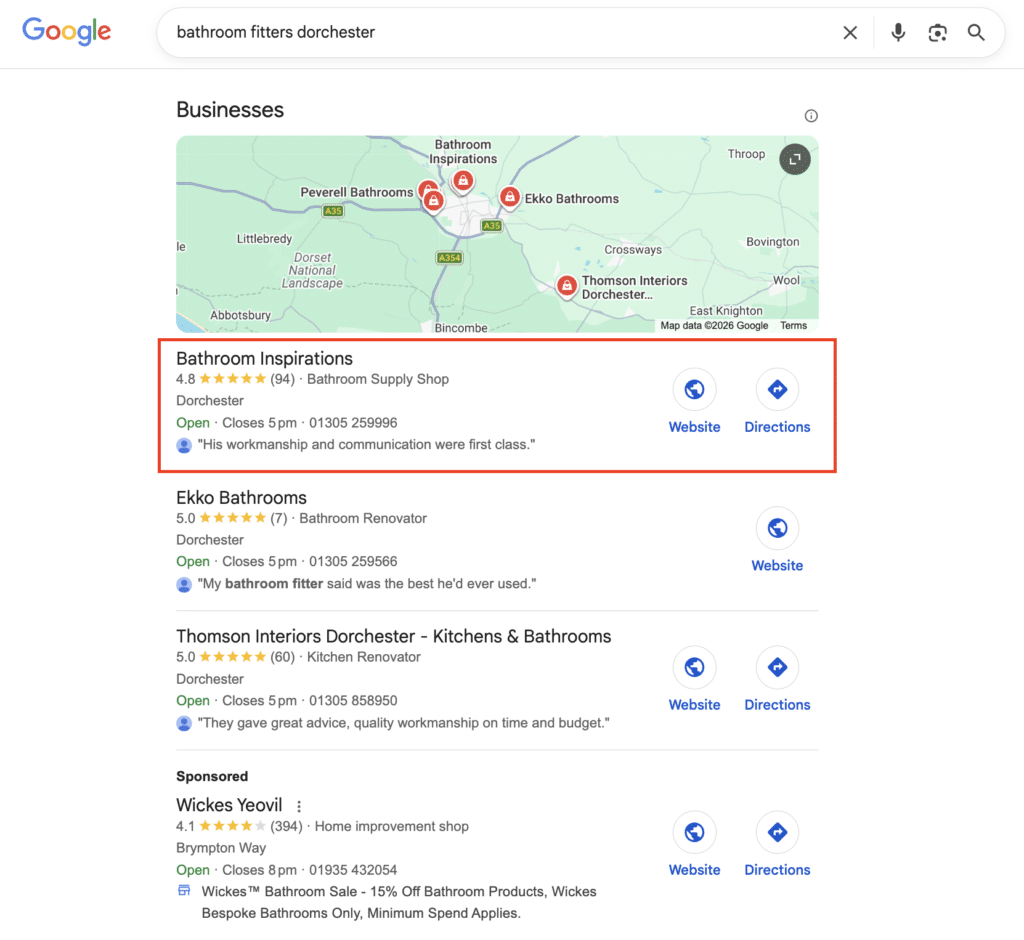
As a result, Bathroom Inspirations has since become a first recommendation for ‘near me’ bathroom fitters and appears on page one of SERPs for critical local search terms across its entire target geographic area.
8. Engage in Content Collaborations
Content collaboration is a fantastic way to organically place local links while widening your audience reach in your target area.
Creating content with a complementary local vendor is a brilliant way to facilitate a link swap, and both build visibility in a local search space.
For example, if you’re a local restaurant, why not collaborate with a local brewer to create a joint blog post on the best food-and-drink pairings to try in 2026? By brainstorming mutually beneficial content ideas, you can create a shareable asset for both domains that organically links out to each business.
If you’ve stepped into the world of social media, too, content collabs can go much further. Promoting content across both websites and social platforms, as well as email newsletters, can help reach new audiences from all angles.
9. Use Unlinked Mentions and Citations to Your Advantage
There’s nothing more frustrating than a local business receiving an organic mention or citation with no accompanying link. These often come from newsletters, testimonials, influencer mentions, and local blogs, all brimming with opportunities to insert a link back to your products/services.
In fact, reclaiming unlinked mentions and citations perfectly lines up with Google’s local ranking algorithm.
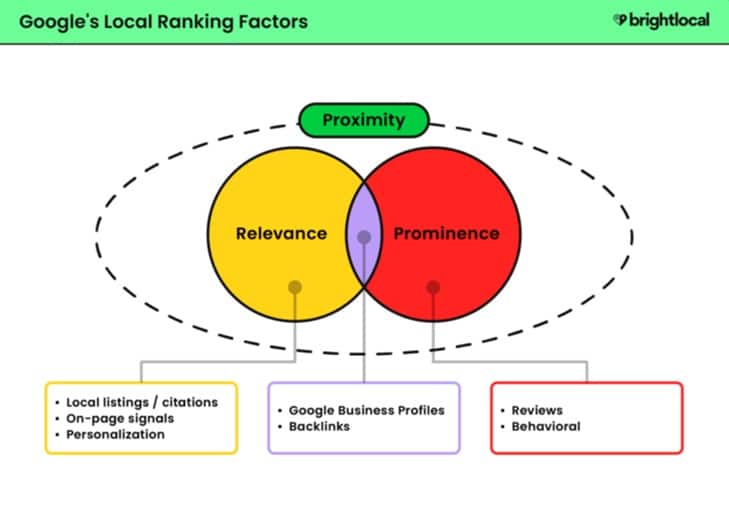
(Image Source: BrightLocal)
Rather than trying to sandwich links in any piece of content you can get your hands on, build links for relevant and prominent mentions that send powerful on-page signals.
To do this, run a frequent sweep for any mentions of your brand name, products, or address that have not been linked out to.
When you discover unlinked mentions or citations, the key to securing a placement is to pitch to the editor from a user-experience perspective. Note that audiences reading about your business cannot click to verify.
This frames the outreach as a fix for the publisher, rather than a local link-building opportunity for you.
10. Leverage Community Platforms
When it comes to local link building, it’s hard not to pour all efforts into reaching out to blogs and news publications for a local link insertion.
However, this form of cold outreach often has little payoff, with some brands securing just 5-10 links from 100 pitch emails.
Community forums, subreddits, and local groups are a link-building gold mine left untouched by local businesses.
While links built on platforms like Reddit and Quora carry less weight than authoritative placements from a local publisher, mentions, citations and getting stuck into community conversations could work wonders for your AI search visibility.
Your target audience visits forums and subreddits to ask for local recommendations, compare services and look for trusted providers. This is your chance to answer questions as a local business, share services and drive referral traffic to your site.
If AI-powered ranking algorithms see your business being mentioned, cited and linked naturally within these conversations, they are more likely to feature your business in a local AI overview.
11. Prioritise Personalised Outreach for Local Link Building
Next, let’s talk about outreach. Personalising the outreach process remains one of the most effective ways to score local links.
Local publications are twice as likely to respond to your pitch if the outreach feels targeted and relevant to their audience and location.
The key here is to tailor your outreach approach to the recipient’s blog/publication/business. To do this, take a look at the types of content they publish, how they approach link insertion, and which topics are receiving the most attention.
With this in mind, craft a hyper-personalised pitch with a catchy subject line and mentions of their name, publication, and any other information specific to their business.
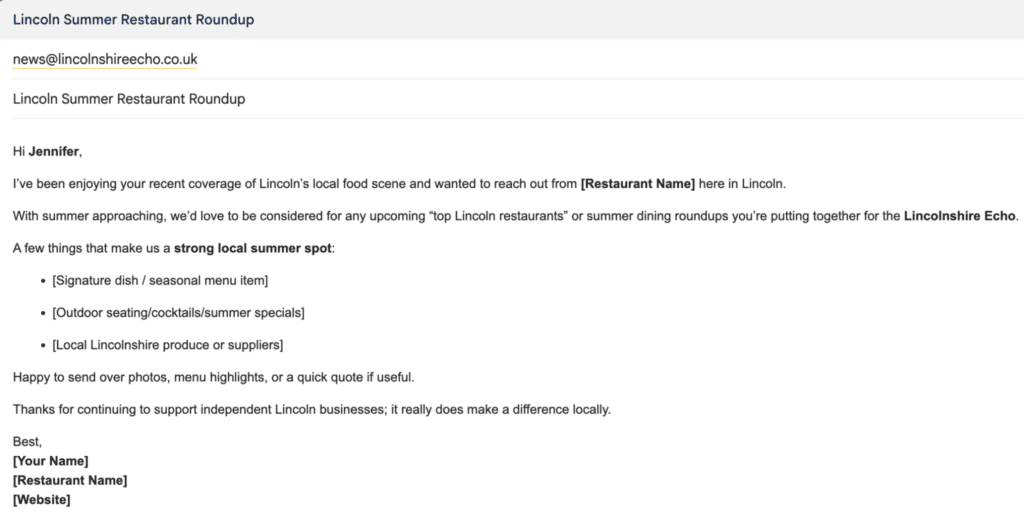
Take this template example, for instance. For this purpose, we’re acting as a Lincoln-based restaurant seeking a link placement in a top Lincolnshire news publication.
To appeal to the editor, the template addresses them by name, mentions the publication, the business we’re hoping to feature, and explains why a mention would be a strong fit for a local story.
This approach not only improves engagement but also increases the likelihood of securing valuable local backlinks. Publishers are always looking to create meaningful digital connections. Taking the extra time to craft a personalised pitch could be the difference between scoring a local link and getting lost in the inbox.
12. Claim Lapsed Domains
Did you know that 70% of domain names are not renewed after the first year? This means there’s a constant turnover of local domains that your business could use to its advantage.
You’re probably wondering why it’s beneficial to claim unsued domains when you’re already securing links for your own live domain, but buying a lapsed domain with locally targeted keywords and an established backlink profile could actually improve your local link-building strategy.
The value here comes from preserving or redirecting a lapsed domain’s existing authority and referral traffic to help grow your own backlink profile.
For example, if you’re a restaurant operating in Brighton and a closed restaurant serving similar food in the same city still has live links from local news sites, blogs and tourism pages, acquiring the lapsed domain opens up an opportunity to reclaim some of that local authority.
Simply redirect the domain to a relevant page on your website to send highly targeted visitors straight to your menu.
13. Secure Competitor Backlink Gaps
Your goal as a local business is to outrank your closest competitors in a location-relevant search.
If a business is ranking above you, it likely has a healthier backlink profile, creating an authority gap between your domain and theirs.
To close this gap, you must identify where they are appearing, which domains are linking to them, and how to place a link back to your business on them as well.
The chances are that if local blogs, news outlets and forums mention your competitors, they will likely include a link to your business too. The key here is to offer a publisher something of value, such as a relevant piece of content, a niche edit for the user experience, or an up-to-date photo, stat, or product deemed relevant to the editor’s audience.
However, before you send over a personalised outreach pitch, you must first learn how to find competitor backlinks.
To do this, we have used Ahrefs:
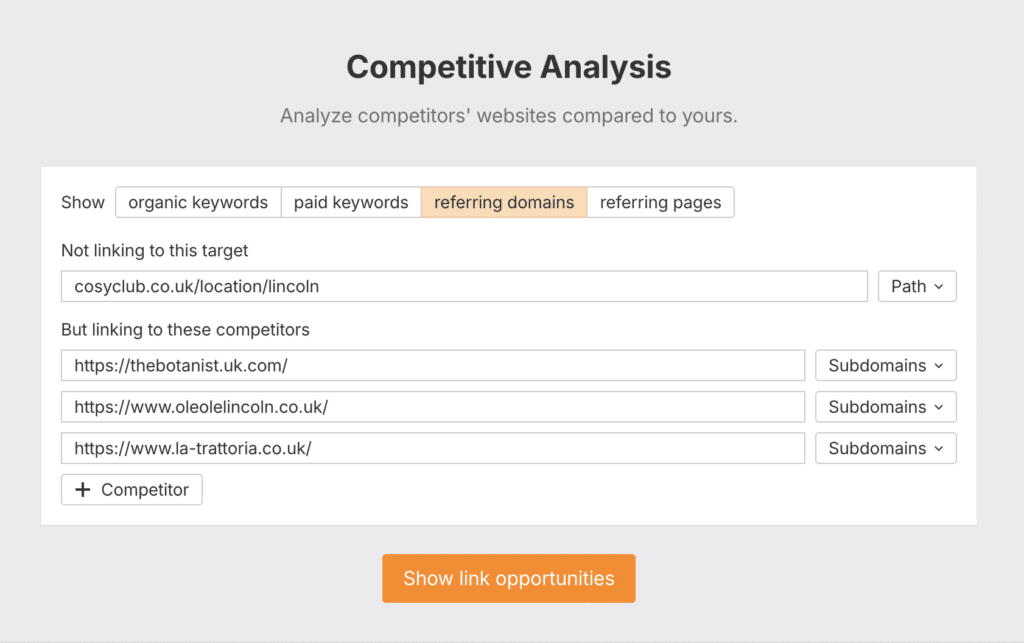
To find competitor backlinks, input your domain into Site Explorer, navigate to the left-hand drop-down menu, and choose Link Intersect.
Here, Ahrefs lets you add your top competitors’ domains. Select Referring Domains, and you’ll be met with a list of websites linking out to your competitors, but not you.
These are your target domains for local link building outreach and the key to closing any authority gaps.
14. Don’t Forget About Testimonials
Did you know that most local link-building opportunities already exist in your network?
Testimonials are brilliant for local link building because they instantly offer an organic placement for a link back to your website.
There are plenty of ways to build testimonial links. However, if you regularly partner with local vendors, producers or service providers, the easiest way to build local links is to offer them a short testimonial that they can publish on their website, followed by your business name and website URL.
Testimonials like this: “We’ve worked with [Supplier Name] for our seasonal menu and their Lincolnshire produce has been consistently excellent. – [Your Business Name] [Hyperlink]”, help promote your partners while still building your link profile as a result.
15. Outsource Your Local Link Building to a White Label Agency
If you’re a local business, yet to dip their toes into the SEO world, one of the easiest ways to build local links is to outsource parts of or your entire campaign to a third-party expert.
Local link building takes time and resources that small businesses just don’t have. From outreach campaigns to digital PR, every strategy on this list requires careful planning and expert execution to acquire powerful returns.
White-label link-building agencies help make the local link-building process easier by taking on time-consuming prospecting, outreach, and relationship management so your team don’t have to.
Better still, the best white-label link-building agencies already have connections to local publisher networks and are equipped to handle outreach at scale, helping you build a powerful backlink profile in half the time.
This said, white-label agencies use organic strategies to build local links, which still takes time and effort to produce powerful returns.
If a third-party link builder offers your business fast, high volumes of link placements, they could be using black-hat techniques, such as purchasing links from low-quality, spammy domains, which actually harm your SEO rather than raise your ranking position.
If you want to outsource your link building the right way, the key here is to do your research. If you’re unsure, trialling a batch of 5-10 links with a well-established white-label agency is a great place to start.
Building Local Links With Solvid
At Solvid, we aim to make the local link-building process easier for small businesses and SEO beginners hoping to target geo-specific traffic.
With over 10 years of experience under our belt, our dedicated team can help you craft an industry-leading link profile by combining target outreach with competitor analysis in one streamlined process.
We aim to secure high-quality, locally relevant links for your business, skyrocketing your website to the top of local search.
For more information about our link-building services, check out our customisable link-building packages suitable for any business, industry or locale.
FAQs
What is Local Link Building?
Local link building is the practice of building links from websites that are relevant to your niche location.
Whether this is a city, region or country your business targets, the goal here is to strengthen your search visibility for a location-specific audience.
Why is Local Link Building Important for SEO in 2026?
Over half of all Google searches are location-specific. If your business targets a specific area, mastering local link building could help your brand become more visible in local search results.
Most SEO visibility is shaped by signals from other users and domains. Whether these are reviews, contextual backlinks, or brand mentions, links from authoritative local sources send trust signals to Google, which directly support your local rankings.
The more trust signals your website receives from popular local publications, forums, social platforms, and niche competitors, the more visible your brand is in traditional SERP results and generative AI Overviews.
What Types of Websites Should I Target for Local SEO Link Building?
The best websites to build local links on are domains that are also locally relevant for your target audience.
These are local news publications, area-specific blogs and regional directories that list your competitors.
Beyond making it into ‘best of’ lists and ‘who to call’ roundups, it’s also important to target local forums, groups and community pages. While these are not as valuable for link insertion, they establish your business as a key player within the local industry and encourage organic sharing.
How Has AI Changed Local Link Building in 2026?
In an era of AI-powered search experiences, context and search intent have become the number one priority for local link builders, especially if they want to appear in an AI overview or a ChatGPT response.
Today, your local businesses need to feature in a relevant AI summary to gain the visibility you’re hoping for. This means it’s time to move away from a spray-and-pray link approach and towards contextual, relevant placements.
For example, a singular link from a local newspaper or a placement with topical and geographical relevance is more likely to improve your GEO visibility than scoring numerous low-quality links.
What Are Some Effective Strategies For Building Local Links?
Building local links takes a two-pronged approach: building SEO visibility and using it to land organic local links.
Personalising outreach approaches helps secure initial links in high-authority news publications and local blogs, but the real work comes from gaining attention across platforms.
To do this, you must establish your business as a local player on social media, engage with community forums and subreddits, and partner with like-minded local vendors who are also looking to gain links/local coverage.
For success in an AI searchscape, use unlinked mentions and citations to your advantage. AI loves a testimonial or a UGC brand mention. Make sure these are hyperlinked for a chance to secure a link in a location-specific AI overview.
 194 customers signed up in the last 30 days



 hello@solvid.co.uk