One of the most critical components of converting leads into fully-fledged customers, a call to action (CTA) acts as a prompt that forces a visitor to snap out of passive browsing and to make a decision.
CTAs can come in many different forms and generally tell a lead what you would like them to do next. This could be to “get a free quote,” “download our e-book,” or “start your free trial,” or just about any other affirmative action linked to making a purchase or getting in touch with your company.
Fundamentally, call to actions act as a bridge between attracting someone to your page and getting them to take a meaningful step, whether it’s a fully-fledged conversion or a meaningful step towards converting.
Although CTAs are more of a marketing concept than a pure-play SEO mechanism, they play a critical role in interacting with the traffic you receive from referring domains and search engines.
Why CTAs are Important
The reason CTAs deserve attention from anyone working to improve their SEO is because Google rankings and traffic only ever work as a means to an end. After all, what’s the use of attracting tens of thousands of visitors to your pages if none are taking a positive action when they’re on your website?
Adding a clear and compelling CTA is what can convert your reader into a customer, and it’s why the best SEO specialists will always think about the job a page is doing, not just the keywords they’re targeting.
What Makes a Good CTA?
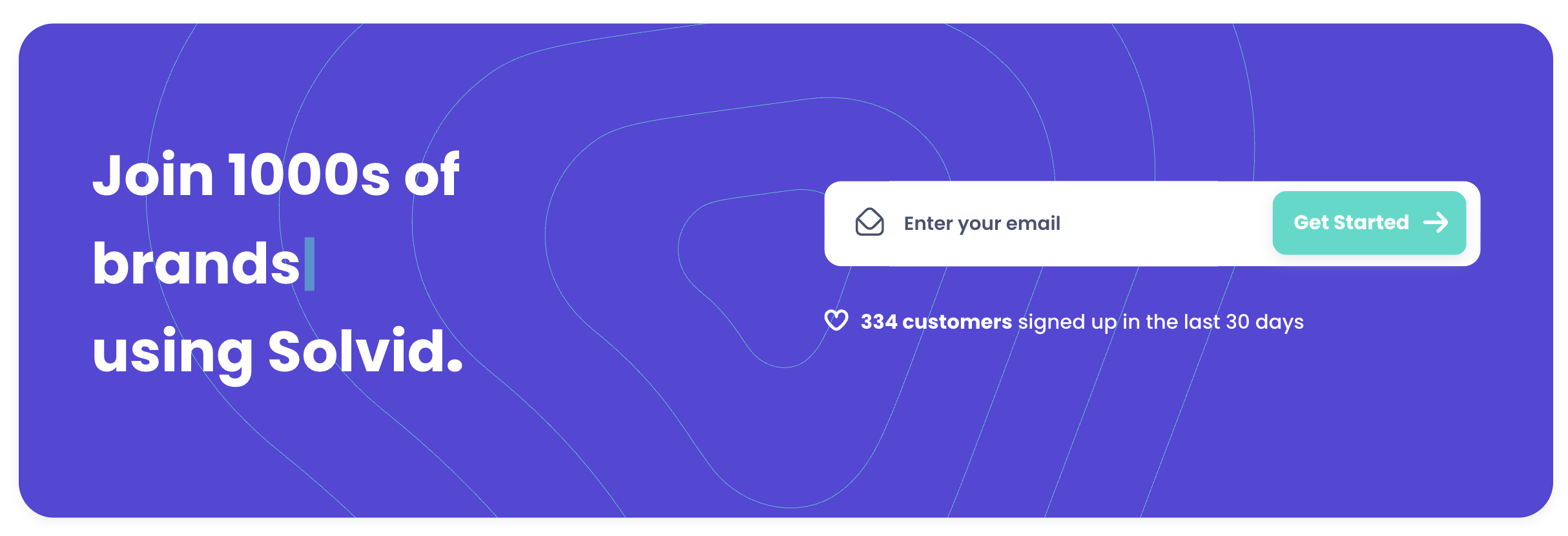
The best CTAs share a few similar qualities. They’re specific about what visitors can do next, so they always know what they’re getting out of their clicks. There’s usually a verb involved and a benefit rather than a vague ‘click here’ message. For instance, “get your free site audit” will always beat something like “submit” when it comes to making conversions.
Effective call to actions are also attention-grabbing by nature, placed where the ready naturally arrives at the decision stage of their browsing. This means that they should be well positioned. If we were to add a “buy now” button at the end of this paragraph, it’ll be more likely to cause confusion than a conversion, but embedding it next to our link-building services page is more likely to be a success.
Applications in SEO
There are fundamental links between CTAs and SEO through the user experience and engagement. For pages that guide visitors smoothly towards their logical next step, it’s important that the right blend of optimisation can keep them on the right pages for long enough to make a positive decision about making a purchase.
On the other hand, a page with no clear direction is more likely to result in a bounceback, and pogo-sticking patterns will suggest that your leads are in no way ready to think about taking any further action with your brand.
CTA Advice
The best advice to give every page that’s important enough to feature a CTA is to support a clear primary action rather than to confuse your leads with 10 competing options.
Your page should complement your CTA, and complement the visitor’s journey. With this in mind, it’s worth testing the wording and placement against your conversion rates to find an effective formula.
It’s also important to make sure that when a lead is ready to take the next step on their journey, your CTA is well-positioned to help them convert. So, checking how your pages are interacted with can be vital.
 194 customers signed up in the last 30 days




 hello@solvid.co.uk